
Crash Games vs Slots: A Comprehensive Analysis
In the ever-evolving world of online gaming, players are constantly on the lookout for the most exhilarating experiences. Two of the most popular game types that dominate online casinos are Crash Games and Slot Machines. Each of these games offers a unique set of features, gameplay mechanics, and winning potential. In this article, we will delve into the intricacies of Crash Games and Slots, comparing and contrasting their functionalities, strategies, and player engagement. For an enhanced gaming experience, consider trying out the Crash Games vs Slots on Joya9 Casino joya 9 app, which facilitates quick access to these thrilling games.
Understanding the Basics
Before diving into a direct comparison, it’s essential to lay the groundwork by understanding what Crash Games and Slots entail.
Crash Games
Crash Games are a newer addition to the online gaming landscape. They typically feature a simple but addictive mechanic where players bet on a multiplier that increases over time. The objective is to cash out before the multiplier “crashes,” after which players lose their bets. These games leverage real-time data, leading to thrilling suspense as players watch the multiplier rise. The beauty of Crash Games lies in the simplicity of their mechanics combined with the high-stakes environment they create.
Slots
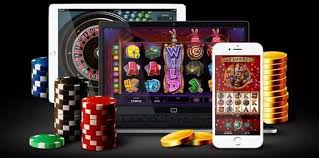
Slot machines, on the other hand, have a long-standing history within casinos. Players spin the reels and aim to match symbols on paylines to win. Slots come with various themes, symbols, and bonus features that add layers to gameplay. Each spin is entirely random, and while there are strategies to manage bankrolls, the outcomes ultimately hinge on luck. Modern slots also include innovative features like progressive jackpots, free spins, and wild symbols, making them appealing to a vast audience.
Gameplay Mechanics
The core mechanics of Crash Games and Slots differ significantly, which affects how players engage with them.
How Crash Games Work
In a typical Crash Game, players place their bets before the game starts. Once the game begins, a graph appears, showing a multiplier that starts at 1x and increases steadily. Players must decide when to cash out—doing so before the crash results in a win multiplied by their bet amount. If players fail to cash out in time, they lose their entire stake. This mechanic encourages players to take calculated risks and capitalize on their instincts.
How Slots Work
In slots, players choose the amount they wish to bet, select the number of paylines (if applicable), and then spin the reels. The outcome of each spin is determined by a Random Number Generator (RNG), which ensures fairness. Players can win based on matching symbols, and many slots incorporate bonus rounds or free spins that can significantly enhance winning potential. The maximum payout often depends on the specific game, with some slots featuring progressive jackpots that can reach life-changing sums.
Strategies for Success
While both Crash Games and Slots are primarily luck-based, players often devise strategies to maximize their chances of winning.
Strategies for Crash Games
Success in Crash Games requires quick thinking and a good sense of timing. Here are a few strategies players often employ:
- Cashing Out Early: One common approach is to consistently cash out at a low multiplier (1.5x – 2x). This strategy focuses on securing frequent, small wins rather than chasing high multipliers.
- Setting Loss Limits: Players should establish limits for losses. If cumulative losses reach this limit, it may be wise to step away from the game.
- Using Progressive Betting: Some players opt for a progressive betting strategy, increasing their stake after a loss to recoup previous losses, but this method requires careful consideration to avoid significant losses.
Strategies for Slots

In the realm of slots, strategies focus more on managing bankroll and selecting the right games:
- Selecting High RTP Slots: Players should look for slots with a high Return To Player (RTP) percentage, as these games theoretically offer better returns over time.
- Utilizing Bonuses: Taking advantage of casino bonuses, free spins, and promotions can provide extra playtime and increase winning opportunities.
- Setting a Budget: Like with Crash Games, it’s critical to set a budget before playing slots to avoid overspending.
Player Engagement and Experience
The level of engagement and overall experience plays a crucial role in a player’s preference between Crash Games and Slots.
Engagement in Crash Games
Crash Games are inherently engaging due to their real-time mechanics and the pressure of making fast decisions. Players often find themselves on the edge of their seats, particularly during high-stakes rounds. The social aspect of watching other players make their choices can also enhance the gaming experience.
Engagement in Slots
Slots provide a different type of engagement, centered around exploration and entertainment. With various themes, graphics, and sound effects, players can enjoy a narrative-driven experience. Bonus rounds and special features add excitement and keep players returning for more. The variety of games available ensures that there’s something for every type of player.
The Verdict: Which One is Better?
Choosing between Crash Games and Slots ultimately comes down to personal preference. Players who thrive on quick decisions and excitement may prefer Crash Games, while those looking for a leisurely gaming experience with varying themes might gravitate toward Slots. Both game types offer their unique thrills and challenges, making them valuable fixtures in the online gaming community.
Conclusion
In the end, whether players find their home in the fast-paced world of Crash Games or the enchanting realms of Slots, both gaming formats continue to evolve and captivate audiences worldwide. Each offers a distinct experience, allowing players to either strategize quickly for immediate rewards or immerse themselves in themed adventures. Understanding the nuances of both can enhance enjoyment and inform better gameplay decisions.